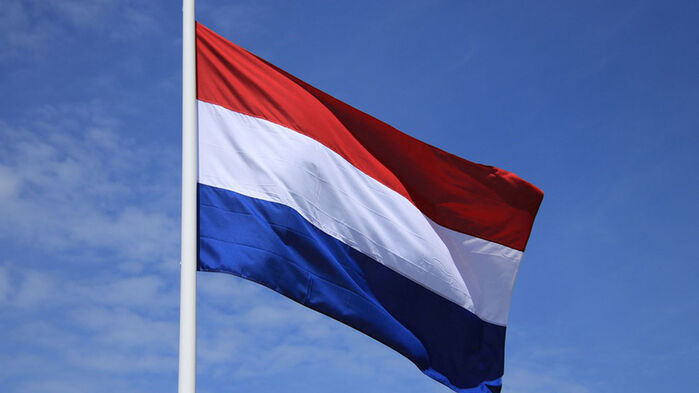
▲ The Dutch flag
The Dutch government blocked a small U.S. information technology (IT) company from acquiring a Dutch firm last month, The New York Times (NYT) reported on June 9 (local time).
In November of last year, the U.S. company Kyndryl announced it would acquire Solvinity, a lesser-known Dutch IT firm, for $115 million.
The announcement came amid heightened friction between the U.S. administration under Donald Trump and Europe over issues such as tariffs and the controversy surrounding the potential acquisition of Greenland, causing significant geopolitical repercussions.
Following the announcement, the Dutch government held hearings and launched an investigation into the deal.
U.S. diplomats worked behind the scenes to urge the Dutch government to approve the acquisition.
Ultimately, the Dutch government rejected the deal on May 29.
This is known to be the first instance of the Netherlands blocking a U.S. company from acquiring a Dutch firm.
Dutch authorities cited the concern that U.S. officials could "compel" Kyndryl to share sensitive data that Solvinity processes for Dutch government services.
In its decision, the Dutch authority stated that "the threat to the public interest can only be prevented by prohibiting the acquisition."
It further added that "geopolitical uncertainty" had created risks related to "digital dependency."
Kyndryl is a company that operates corporate and government information systems.
Solvinity is a firm that develops technology supporting the Dutch national identification (ID) system.
The NYT assessed that this incident demonstrates the growing suspicion and wariness in Europe toward the United States.
The NYT pointed out that while the U.S. government has spent years blacklisting Chinese technology companies citing national security and data privacy, a NATO ally is now applying similar logic to a U.S. company.
※ Please note: This article was translated by AI and may contain errors.