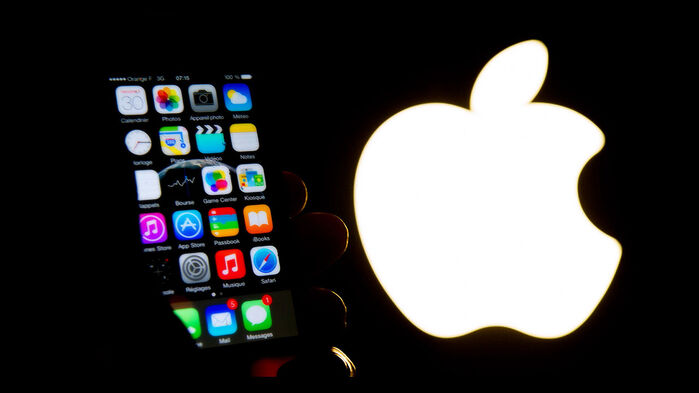
A study by economists suggesting that the proliferation of smartphones is one of the drivers behind the sharp decline in birth rates in the United States is drawing significant attention.
The research argues that the widespread use of smartphones in daily life has weakened face-to-face human interaction, which in turn has contributed to a reduction in the frequency of sexual activity among those of reproductive age.
According to a report by CNN on June 12 (local time), a research team from Middlebury College and the National Bureau of Economic Research (NBER) identified 2007 as a critical turning point for U.S. birth rates in a recently published NBER working paper.
The end of 2007, which marked the beginning of the global financial crisis, was also just months after Apple launched the first iPhone in the United States.
The general fertility rate in the U.S., defined as the number of births per 1,000 women of childbearing age, has fallen by approximately 22% since 2007.
However, the researchers found that this downward trend could not be easily explained by factors such as economic conditions, the use of contraceptives, or the costs of housing and childcare, leading them to evaluate the potential impact of the spread of smartphone usage.
During the initial period of 2007–2011, the iPhone was available in the U.S. exclusively through the AT&T network.
Consequently, the research team compared birth rate trends in regions where AT&T’s mobile broadband network was built rapidly against those where it was established later.
The results showed that in areas where more than 90% of residents had early access to the iPhone, birth rates declined more significantly than in areas where network coverage was less than 10%.
This disparity was most pronounced among those in their teens and 20s.
The birth rate for those aged 15–19 dropped by 26% in areas with high smartphone penetration, compared to a 14% decline in areas with low penetration.
For those in their 20s, birth rates fell by 15% and 10% in high-penetration and low-penetration areas, respectively.
Birth rates for those in their 30s also saw a slight decline in areas with high penetration, while they actually increased in areas with lower penetration.
In summary, the researchers estimated that the initial proliferation of smartphones accounts for 33–52% of the decline in the U.S. general fertility rate between 2007 and 2011.
The research team focused on the possibility that smartphones have acted as a substitute for physical contact and face-to-face human interaction.
According to national survey data cited in the study, the iPhone has indeed been linked to reduced face-to-face interaction, increased consumption of online pornography, and a decrease in the frequency of sexual activity.
However, the researchers clarified that while smartphones are a significant factor, they are not the sole cause of the decline in U.S. birth rates.
Caitlin Myers, an economist and the lead author of the report, stated, "I think this research is policy-relevant because I worry that we are not understanding why fertility is falling and that we might be looking in the wrong places."
Regarding pro-natalist policies, she emphasized, "Nobody thinks the government is going to come and take our smartphones away," but added that "the answer might lie in how policymakers can foster human face-to-face interaction moving forward."
※ Please note: This article was translated by AI and may contain errors.
Smartphone Proliferation a Key Factor in Plummeting Birth Rates, U.S. Study Finds
By Yoo Younggyu | Jun 15, 2026