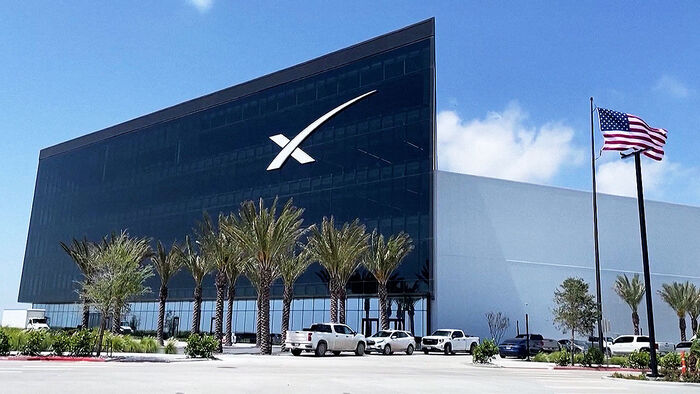
▲ SpaceX
Individual investors who participated in the SpaceX initial public offering (IPO) may face bans on future subscriptions for popular IPOs, such as OpenAI or Anthropic, if they attempt to realize short-term profits by selling their shares early.
Meanwhile, Reuters reported on June 15 that institutional investors, including hedge funds, are free to sell their entire holdings on the day of listing, fueling criticism that individual investors are effectively being used as "cannon fodder."
SpaceX debuted on the Nasdaq on June 12 with an offering price of $135. The stock surged by as much as 30% on its first day before closing at $160.95, up 19.3%.
On the second day of trading, June 15, the stock closed at $192.50, a 19.6% increase from the previous session.
Twenty percent of the IPO shares were allocated to individual investors, an unusually high level for a large-scale IPO.
The issue lies in the allocation conditions.
Major U.S. retail investment platforms, including Fidelity, Robinhood, E-Trade, and SoFi, restrict the sale of IPO shares allocated to individuals for 15 to 30 days following the listing.
Violating these rules results in a suspension of eligibility for new IPO subscriptions for a certain period.
Fidelity imposes a 15-day holding requirement and enforces tiered penalties ranging from a 6-month suspension to a permanent ban linked to the investor's Social Security Number (SSN), depending on the number of violations.
Robinhood imposes a 2-month suspension for selling within 30 days, while SoFi and E-Trade also enforce a 30-day restriction, with SoFi issuing a permanent ban upon a third violation.
These penalties do not apply to individual investors who purchase shares in the secondary market after the listing.
In contrast, institutional investors such as BlackRock and Citadel can sell their shares immediately without restrictions, depending on the fees they pay to banks and the scale of their transactions.
An asset manager who was allocated approximately $300 million (about 456 billion KRW) worth of SpaceX IPO shares stated, on the condition of anonymity, "We plan to sell the entire stake within five days to cash out."
Jay Ritter, an IPO expert at the University of Florida, said, "While strict 'flipping' (realizing short-term profits) restrictions are applied to individual investors, hedge funds are 'big-name' clients that provide profits to IPO underwriters, so they can do whatever they want."
The holding period that individual investors must endure also creates unexpected opportunity costs.
Large IPO stocks are often included in major indices within two weeks of listing, which triggers an influx of passive funds.
Institutional investors can time their sales to capitalize on this demand, while individuals remain locked in by holding restrictions.
Unlike in the U.S., individual investors in South Korea who are allocated IPO shares can sell them freely on the day of listing.
In fact, South Korea operates a mandatory holding commitment system that restricts short-term selling by institutional investors to protect individual investors.
The Financial Industry Regulatory Authority (FINRA), a self-regulatory organization for the U.S. securities industry, defines selling within 30 days of an IPO as "flipping," but there are no legal sanctions.
Flipping restrictions are rules set independently by securities underwriters and platforms to stabilize stock prices.
Emil Barr, a 23-year-old entrepreneur who deposited $500,000 (about 760 million KRW) for the IPO, criticized the practice, saying, "My entire trading account could be restricted. The level of punishment is excessively harsh compared to the action," adding, "It seems like the underwriters are using individual investors as 'cannon fodder.'"
※ Please note: This article was translated by AI and may contain errors.