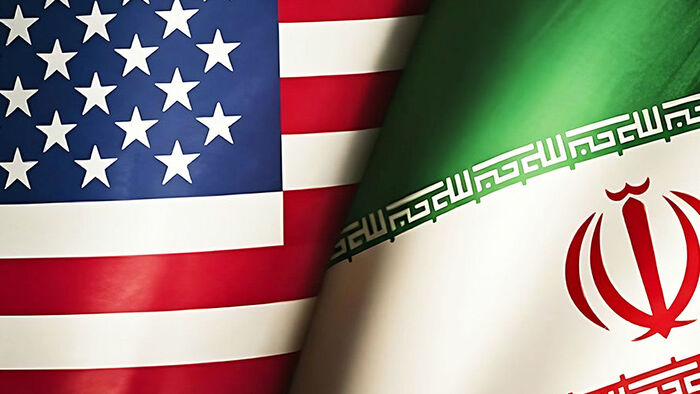
A memorandum of understanding (MOU) to end the war between the United States and Iran includes a plan to establish a $300 billion private fund for Iran's reconstruction, with more than half of the amount already pledged, Reuters reported on June 16 (local time), citing sources.
The source stated that the fund is a "private investment vehicle" rather than a conventional reconstruction or reparations program, and will not include any U.S. government funds or subsidies.
The source also reported that companies from the U.S., Asia, the Middle East, South America, and Africa have already agreed to contribute over $150 billion.
While the source mentioned that companies from South Korea, Japan, Singapore, Malaysia, and the United States have pledged to contribute, the full list of participants was not disclosed.
The source added that these companies' investments span sectors including energy, logistics, manufacturing, and transportation.
However, the source did not specify who would manage the fund or how it would be administered, noting that key details are still under negotiation.
Since the 1979 Islamic Revolution, Iran has been unable to attract significant foreign direct investment and has been effectively excluded from global capital markets due to sanctions imposed by the U.S. and the international community.
"The fund will only be established after the final agreement is signed," the source explained. "Over the next 60 days, fund managers will work with Iran and investors to determine the scope and detailed plans for the projects."
The source further explained that the fund is intended to provide economic incentives for both the U.S. and Iran to reach a final agreement.
For Iran, which has demanded war reparations, this provides a way to attract the foreign capital needed for post-war recovery. For the Trump administration, which has emphasized that there will be no direct cash support for Iran, this is interpreted as a way to induce Iran toward a nuclear deal without using U.S. taxpayer money.
Reuters reported that the idea for this reconstruction fund emerged after the U.S. rejected Iran's initial demand for $400 billion in war reparations.
The source clarified that the fund is a completely separate matter from negotiations regarding the lifting of U.S. sanctions on Iran and the release of frozen Iranian assets.
In other words, the fund is being pursued as a mechanism with a different purpose and timeline than the sanctions relief negotiations.
The U.S. and Iran agreed to sign the memorandum of understanding to end the war on June 14 and completed electronic signatures that same day. A formal signing ceremony for the MOU is scheduled to take place in Switzerland on June 19.
The MOU serves as a framework for follow-up negotiations, and the two countries' delegations are expected to conduct detailed talks over the next 60 days regarding Iran's nuclear program, sanctions relief, and the operation of the Strait of Hormuz.
※ Please note: This article was translated by AI and may contain errors.
$300 Billion Reconstruction Fund Included in U.S.-Iran Agreement; Over Half Already Pledged by Private Firms
By Yoo Younggyu | Jun 17, 2026