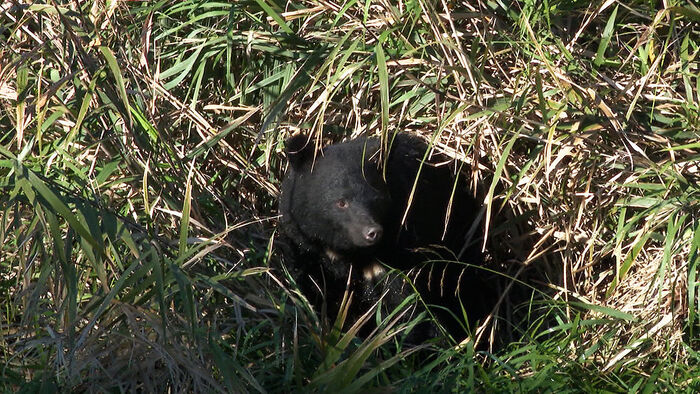
▲ Bear-related incidents are surging in Japan.
In Japan, a series of incidents involving residents being attacked by bears in their own living spaces near residential areas continues to occur.
As bears appear in everyday spaces, leading to injuries while residents are out for morning walks or using outdoor restrooms in their yards, public anxiety is mounting because authorities have yet to provide effective countermeasures.
According to reports from the Yomiuri Shimbun and other media on June 17, an 80-year-old man was attacked by a bear while walking near farmland close to a residential area in Komatsu, Ishikawa Prefecture, at 6:00 a.m. that day.
The man was transported to a hospital with injuries to his head and face, but his life is reportedly not in danger.
Because the site of the incident is close to a residential area, authorities canceled all outdoor activities, including physical education classes, at two nearby elementary and middle schools within a 2-kilometer radius to ensure the safety of students and residents.
Local police and municipal governments have strengthened mobile patrols and urged residents to remain vigilant.
Earlier, at 4:40 a.m., a 60-year-old man in a mountain village in Shimokitayama, Nara Prefecture, was bitten by a bear, sustaining serious injuries to his head and face.
The Asahi Shimbun reported that the man encountered a bear measuring approximately 150 cm in length as he was exiting an outdoor restroom on his property.
The man was rushed to a hospital while bleeding from his face and other areas.
Although local officials and a regional hunting association launched an extensive search after receiving the report, they failed to capture the bear.
As bears continue to appear in familiar living spaces, causing growing fear among residents, authorities are struggling to implement effective measures due to restrictions on the use of firearms and a shortage of professional personnel.
※ Please note: This article was translated by AI and may contain errors.