With the rise of social media, so-called cancel culture has reached its peak. Cancel culture refers to a phenomenon where an individual faces collective ostracization, rejection, and backlash when their past or present statements, actions, or beliefs are deemed socially unacceptable. In today's internet climate, once someone becomes the target of public outrage, reversing that narrative is extraordinarily difficult.
One of the most intriguing paradoxes in the entertainment scene recently has been the journey of rapper Swings. At one point, he stood as a divisive figure in the hip-hop scene and among the public, often viewed as the very symbol of an unfavorable celebrity. Yet today, alongside the climb of the film "Tazza 4" to the top of the box office, he is transforming into a widely embraced entertainer and actor.
Ever since his heyday, opinions on Swings have been sharply split down the middle. To some, his assertive demeanor came across as authentic self-confidence, while to others, it felt like pure arrogance. However, he never denied or ran away from the mockery directed at him. Instead, he leaned into it and actively turned it to his advantage. Meeting ridicule head-on and converting it into memes is seen as a remarkably sharp move, whether it was calculated or not.
Last April, Swings faced one of the gravest crises of his career when fellow junior rapper BIG Naughty released consecutive diss tracks aimed squarely at him. A wave of allegations followed, including claims of physical altercations during drinking sessions and financial disputes surrounding the sale of past neighboring rights (master recordings). Rather than responding with rap verses, Swings chose to address each matter point by point via an Instagram live stream. He explained the financial difficulties that forced him to sell his label's master rights and calmly walked through his settlement records with label artists, at times holding back tears. Appealing to the public with vulnerability while consistently maintaining care and affection for his junior peer earned him both public sympathy and newfound respect.
A similar pattern emerged when he ventured into acting. When he first announced his ambitions, public reaction was far from welcoming. Many questioned whether he was treating acting like a joke, accompanied by sharp skepticism regarding his acting chops. Yet he used those low expectations as fuel to double down on his preparation, eventually securing a role in the film "Tazza 4".
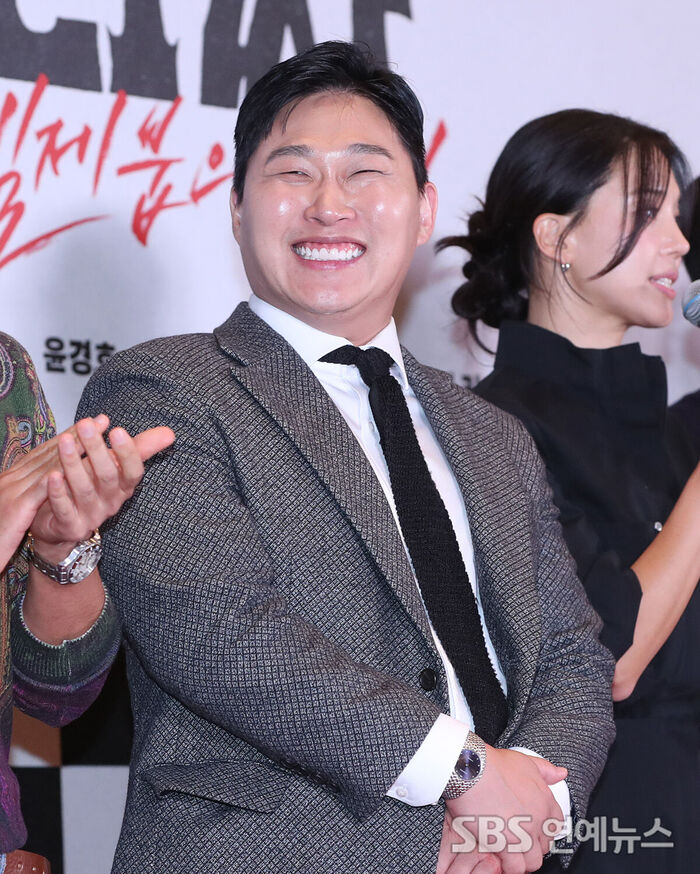
At a press conference for the production, he reflected on the milestone, sharing that while he had worked in music for 20 years and always loved movies, he never expected to be cast just six months after publicly stating he would pursue acting. He explained that while he had braced himself for a journey of at least five years, the opportunity arrived much faster than anticipated.
Still, this newly reclaimed public favor carries an undeniable shadow. Over the years, Swings has repeatedly embraced junior artists mired in controversies under his own label. While his philosophy that an artist's personal character should be separated from their music has sometimes been framed as hip-hop's expressive freedom, it has also drawn persistent criticism for treating artists' private conduct too lightly.
Recently, that forgiving stance came under scrutiny once again after affiliated rapper Ksmartboi (legal name Kim Sang-min) was arrested and referred for prosecution on marijuana-related charges while still on probation for previous marijuana usage. During that earlier probation period, Swings had appeared on broadcasts alongside the rapper and benefited from the backing of junior artists, including Kim, during the diss exchange last April. How this recent incident will ultimately reflect back on Swings remains something the public will be closely observing.
Nevertheless, Swings' blueprint for survival offers plenty of food for thought in an entertainment industry preoccupied with polished facades. Instead of pretending to be flawless, he laid his flaws and financial hardships bare before the audience. What turned public aversion into goodwill was not flowery rhetoric, but his composure in laughing off criticism and his readiness to shoulder responsibility for his decisions. At the same time, Swings has now moved beyond being a hip-hop artist championing raw freedom to an actor winning over audiences in commercial cinema. How he manages the risks he has harbored for so long will continue to be his biggest assignment moving forward.
Photo = Reporter Baek Seung-chul
(SBS Entertainment News | Kang Kyung-youn)